Introduction
Over 70% of rural dairy farmers struggle with low milk prices and irregular buyers due to poor marketing channels. But what if there was a way to change that?
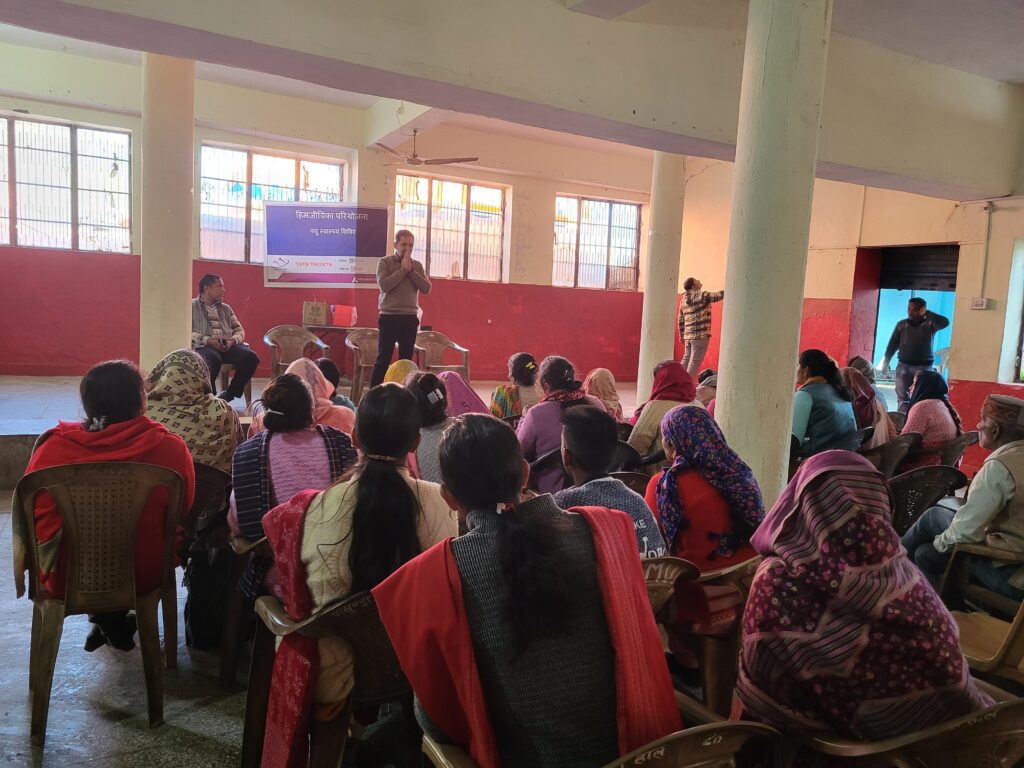
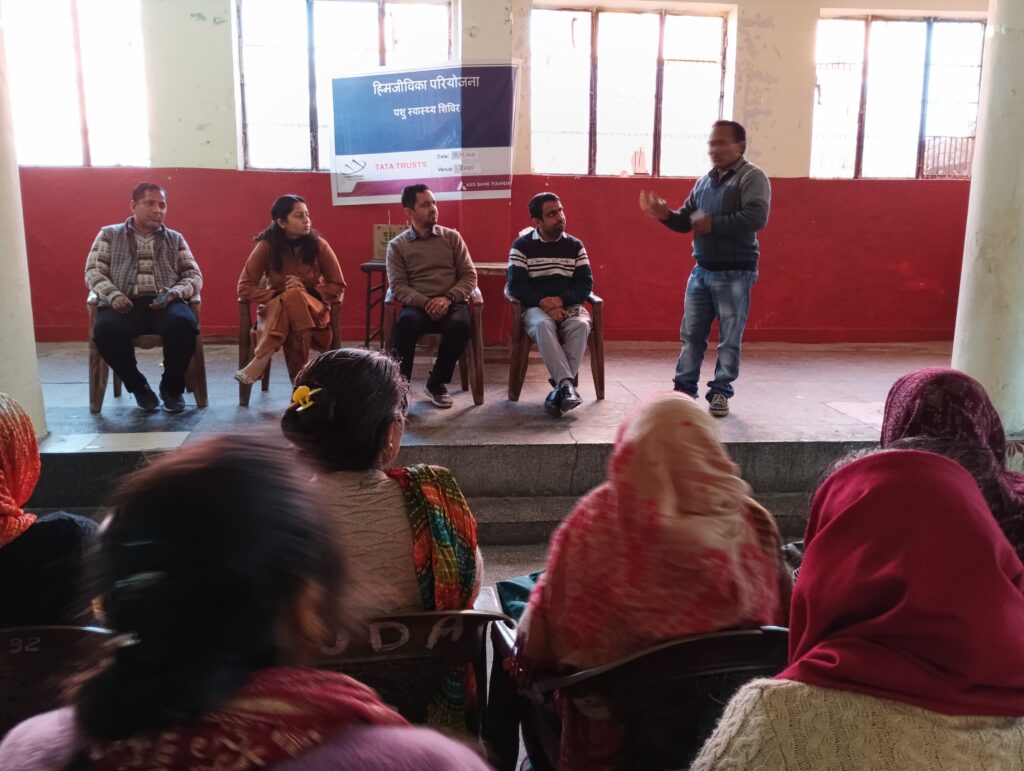
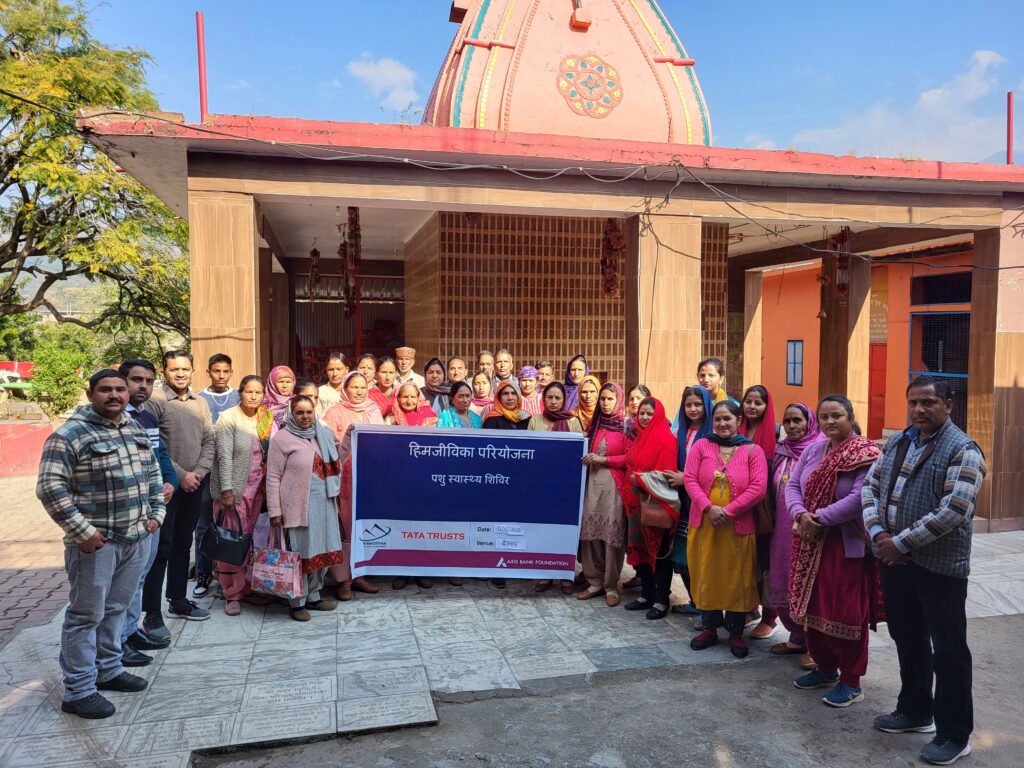
During my recent Extension Awareness Meeting at Bhattu, Baijnath, I interacted with local dairy farmers, mainly women, who highlighted critical challenges in milk marketing, access to government schemes, and reluctance toward cooperative models. Later, I visited a NABARD-supported milk outlet near Paprola, which demonstrated how innovative marketing and value addition can boost farmer earnings.
This contrast underscores an urgent need: Animal Husbandry Departments (AHDs) must evolve beyond veterinary services and actively support dairy entrepreneurship and market linkages.
Key Challenges Faced by Dairy Farmers in Bhattu Baijnath, Himachal Pradesh
Challenge 1: No Reliable Milk Marketing Channels
A local pradhan (village head) shared his struggle in selling 33 liters of milk daily, despite good production. Smaller farmers, producing only 2–6 liters per day, found it even harder to find consistent buyers.
Why is this happening?
- No structured procurement system to collect milk from villages
- Inadequate transportation (the village is 6 km away, and transport services are poor)
- Seasonal fluctuations in demand, making local sales unreliable
Women at the meeting shared that they had to walk or take lifts to attend due to a broken-down bus, highlighting how poor transportation is a major bottleneck in rural dairy development.
Challenge 2: Limited Awareness and Utilization of Government Schemes
Farmers were well aware of deworming and mineral mixture supplementation but lacked awareness of financial programs like the Pashu Kisan Credit Scheme, which could help expand their businesses.
- Many perceived their low-input, small-scale dairy as not needing external financing.
- Lack of awareness programs meant they never explored financial assistance options.
This exposes a gap in extension services, where technical advice must be integrated with financial and business planning support.
Challenge #3: Hesitancy to Form Dairy Cooperatives or FPOs
When I discussed forming a Dairy Cooperative or Farmer Producer Organization (FPO), farmers showed little enthusiasm.
Why the reluctance?
- Unfamiliarity with cooperative models and their benefits
- Difficulty in understanding how an FPO/cooperative would function
- Social norms, workload, and family responsibilities, especially for women, preventing them from taking leadership roles
Clearly, just proposing cooperatives isn’t enough. Farmers need exposure visits and hands-on training to see the benefits of collective action.
The JICA & NABARD-Supported Milk Outlet: A Model for Dairy Marketing and Value Addition
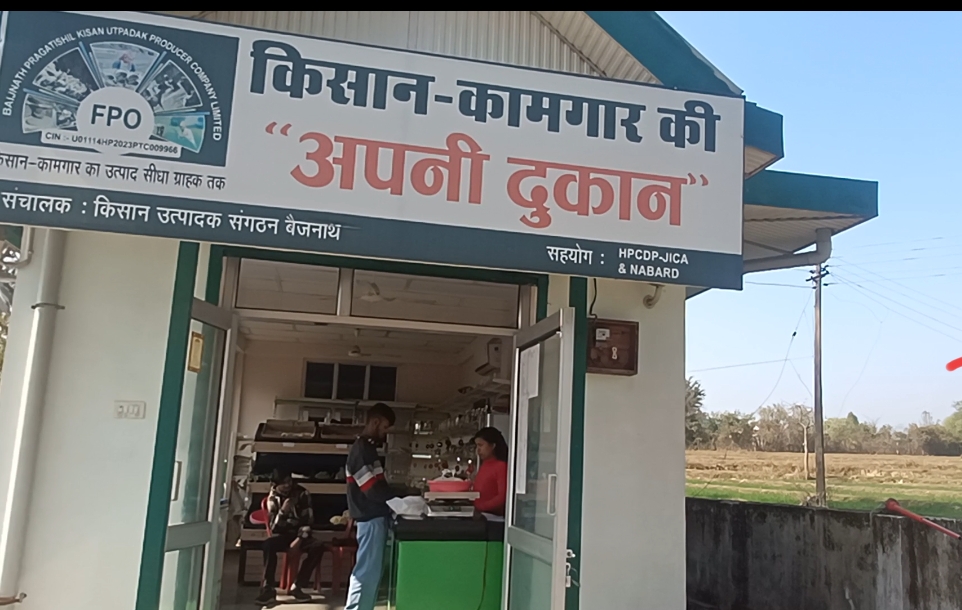
On my return journey, I visited a NABARD-supported milk outlet in Paprola, which presented a successful model for dairy and farm product marketing..
Key Features of the Outlet
Daily Sales of 4 Quintals (400 Liters) of Milk
Cow Milk: ₹55 per liter
Buffalo Milk: ₹70 per liter
Paneer: ₹400 per kg
Dahi (Curd): ₹80 per kg
Integration with Local Farm Produce
The outlet also sells pulses, wheat flour, honey, and vegetables, providing additional income streams for farmers.
Unique High-Value Product: Goat Ghee
Priced at ₹1400 per kg, this niche product is marketed as a remedy for joint pain during winters.
This model offers a structured market, ensuring:
Better prices
Regular demand
Opportunities for value addition
Applying This Model to Bhattu Baijnath: Practical Solutions
Given the challenges in Bhattu Baijnath, replicating a similar milk marketing system could provide practical solutions:
- Establishing a Village-Level Milk Collection and Transport System
Setting up a milk procurement vehicle to collect milk from scattered farmers
Creating a milk chilling unit to ensure quality preservation
- Awareness Programs on Government Schemes
Organizing workshops on the Pashu Kisan Credit Scheme and other financial aids
Assisting farmers in applying for loans and subsidies
- Encouraging Cooperative and FPO Formation
Conducting exposure visits to successful dairy cooperatives
Providing mentorship and leadership training to interested farmers
- Developing Value-Added Dairy Processing
Training farmers on small-scale paneer, ghee, and curd production
Connecting them to local and online marketplaces
The Need for a Paradigm Shift in Animal Husbandry Departments (AHDs)
Traditionally, Animal Husbandry Departments (AHDs) have focused on veterinary services, breed improvement, and disease control. However, to truly empower dairy farmers, AHDs must evolve into enablers of dairy entrepreneurship.
From Service Providers to Market Enablers
Beyond Treatment → Business Development
AHDs should not just treat livestock but help farmers market milk and access financial resources.
Beyond Policy Implementation → Market Linkages
AHDs should collaborate with NABARD, NDDB, private dairy processors,FPOs to ensure fair market access.
Beyond Veterinary Services → Entrepreneurial Mentorship
Beyond veterinary services, AHDs must focus on skill-building, cooperative formation, and rural entrepreneurship.
Beyond Advisory Bodies → Digital Extension Hubs
Use social media and mobile apps to share market prices, demand trends, and government support schemes in real time.
Conclusion: Strengthening Dairy Marketing for Rural Farmers
The contrast between the challenges in Bhattu Baijnath and the success of the NABARD-supported milk outlet underscores the need for structured improvements in rural dairy marketing.
Research indicates that about 65% of marketed milk in Himachal Pradesh is distributed through private milk traders, with only 8% handled by organized cooperatives. Additionally, the organized milk marketing structure in the state is considered one of the weakest in the country. Lower remunerative returns have negatively impacted farmers’ attitudes towards dairy farming, leading to reduced participation in formal marketing channels. This highlights the need for urgent reforms to enhance the efficiency of the dairy value chain.
By adopting entrepreneurial models, encouraging cooperative structures, and reorienting Animal Husbandry Departments, we can transform dairy farming into a profitable and resilient sector.
The way forward includes:
Develop milk collection and marketing systems
Educate farmers on government financial schemes
Encourage dairy cooperatives and value-added dairy businesses
Revamp Animal Husbandry Departments to support entrepreneurship
With the right interventions and support, rural dairy farmers—especially women—can enhance their livelihoods, access better markets, and build a self-reliant dairy economy.
What steps do you think are most critical to transforming dairy marketing? Share your thoughts below! Your insights can help shape the future of dairy entrepreneurship.

Leave a Reply